
Guiding You Through Powers of Attorney
Making a power of attorney shouldn’t be a hard or complicated process. We’re experts when it comes to powers of attorney in Scotland.


If You Need Help, Get A Consultation
Be assured with Scotland Power of Attorney
Detail to every document we handle
Notarisation with personal attention
We ensure your sensitive information is private
Solicitor Notary Mike Ramsay will guide you through the process
Simplified Power of Attorney Process in Scotland
We have outlined a simplified process when it comes to powers of attorney in Scotland. This list outlines the process in an easy to understand way. If you have any specific questions, we are contactable by the email or phone links below, or on our contact page.
For More Information
01.
The Written Document
In order to create a power of attorney a written document is needed which sets out the precise powers that the Granter wishes the Attorney to have. The document must be signed by the Granter. It must also state clearly that the powers are continuing, welfare or a combination of both.
02.
The Certificate of Capacity
The document must also include a statutory certificate signed by a solicitor registered to practice in Scotland, a practising member of the Scottish Faculty of Advocates or a registered and licensed medical practitioner which confirms that:
- They have interviewed the Granter immediately before he/she signed the power of attorney document;• They are satisfied either through their own knowledge or by consulting another person that the Granter fully understands what he/she is doing and the nature and extent of the powers he/she is giving.• They have no reason to believe that the Granter is acting under any undue influence.• A welfare power of attorney• A continuing power of attorney• A welfare and continuing, power of attorney.
03.
Attend The Notarisation
This requires to be completed and signed to enable the power of attorney to be registered.
04.
Power of Attorney
The power of attorney process is complete and the document will be registered.
Useful Information

Can I revoke a Power of Attorney?
Can a Power of Attorney be revoked? Mike Ramsay tells us “The Granter – you my client, can revoke...
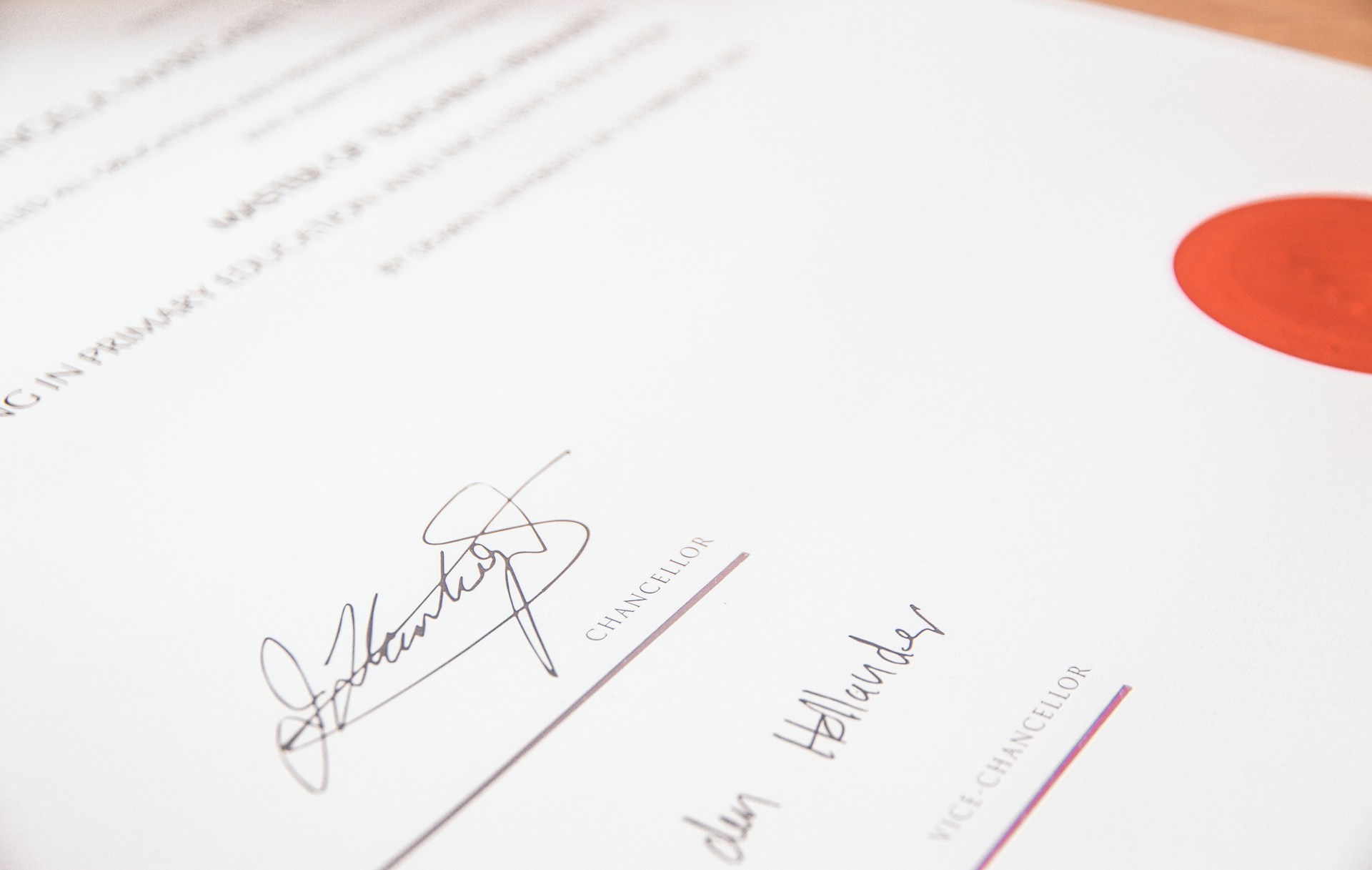
The Certificate of Capacity
We, at Ramsay & Co will sign the required statutory certificate, confirming that: We have interviewed the Granter immediately...

How do I create a Power of Attorney?
The simple answer is to arrange an appointment to see Mike Ramsay. He will create the power of attorney;...
Get Quick Answers to Your Concerns
To some, Powers of Attorney in Scotland may be slightly different than other places such as in England, Wales or Ireland.
These questions are some of the most frequent that are asked when making a power of attorney.
Have additional questions? Contact us using the button below.
A power of attorney is a legal document that allows someone you trust to make decisions or act on your behalf it you become unable to do so due to illness or incapacity.
There are three types:
- Continuing - for financial and property matters
- Welfare - for health and personal care decisions
- Combined - includes both continuing and welfare powers
Anyone over 16 who you trust, such as a family member, friend, or solicitor. They should be capable and willing to act in your best interests.
No, but it is highly recommended. A solicitor ensures your document is legally sound and tailored to your needs.
- Continuing (financial) powers can start immediately or upon incapacity.
- Welfare powers only take effect if you lose the ability to make decisions.
This is the official body that registers Powers of Attorney and monitors how attorneys use their powers.
It must be signed, certified, and submitted to the Office of the Public Guardian for registration before it can be used.
Yes, if you still have capacity, you can revoke or amend it at any time.
Your family may need to apply to the court for a guardianship order, which is more time-consuming, expensive, and stressful.
Yes. You can have multiple attorneys acting jointly or separately, and even appoint different people for welfare and financial matters.
They must:
- Act in your best interests
- Keep clear records
- Follow the powers and instructions given in your document and the law
Not always. If you have property or interests abroad, you may need legal advice in those jurisdictions.
No. It must be created voluntarily. A solicitor or doctor must certify that you understand what you’re doing and are not under pressure.
Costs vary depending on legal fees, but registration with the Office of the Public Guardian currently costs £85 (as of latest update).
You can, but mistakes are common. Using a solicitor ensures the form is completed and certified correctly to avoid rejection.
Usually around 6–8 weeks, but times can vary depending on workload at the Office of the Public Guardian
- A Power of Attorney applies during your lifetime
- A Will takes effect only after your death
Yes. Your solicitor can show you a sample or draft. There are also templates available from the Public Guardian’s website.
Yes. If you receive certain benefits or have a low income, you may be eligible for a fee exemption or reduction.
Every few years, or after major life changes (e.g., divorce, change in health, your attorney becoming unavailable).